
service
Moles
Restoring skin health one patient at a time
Understanding Your Moles
Most of us have them—those small, dark spots known as moles (or nevi). They are simply clusters of pigment cells called melanocytes that grouped together instead of spreading out.
Why do they form?
Moles are usually a mix of your DNA and your lifestyle. You might inherit a tendency to have many moles, but frequent sun exposure can also trigger new ones to appear. Hormonal “surges” during pregnancy or teenage years are also common times for moles to change or multiply.
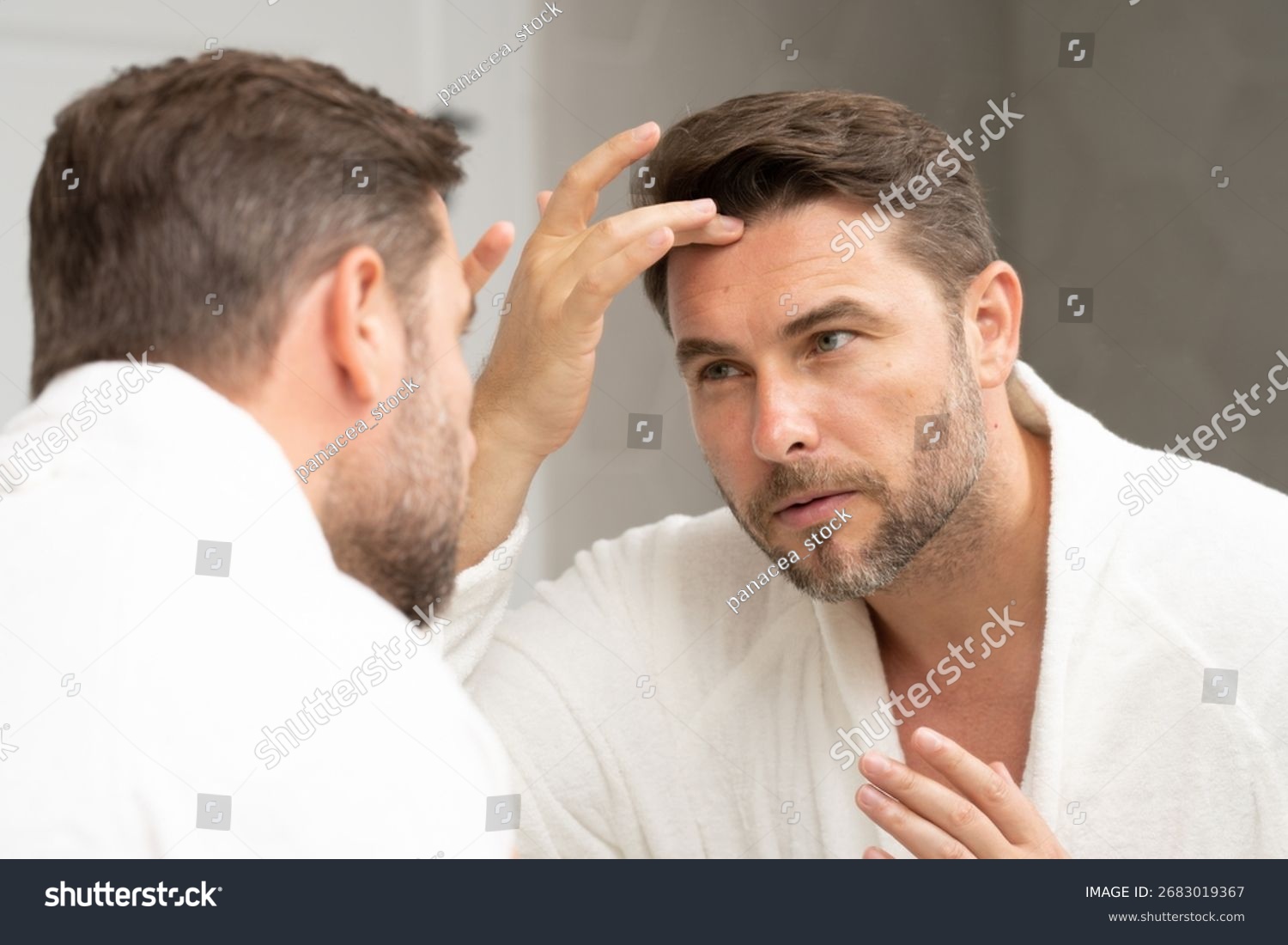
Most moles are perfectly safe, but they shouldn’t be “ignored.” In 2026, dermatologists recommend an “Ugly Duckling” check: if one mole looks different from all your others, or if it starts to itch, bleed, or grow, it’s time for a professional skin exam.
Treatment
If a mole is in an uncomfortable spot or you just don’t like how it looks, removal is a
quick in-office procedure. Here are some options of treatment:
Shaving is a fast way to flatten raised moles with minimal scarring.
Excision is the gold standard for safety, as it removes the mole entirely and allows for a lab biopsy to rule out skin cancer.
If your dark spot is simply sun damage, laser treatment may be an option.
Of course, the first step is scheduling an evaluation with your provider at Restoration Dermatology. Call or book online today for your appointment.